Get Rough Plumbing Installation
Rough plumbing installation services involve local contractors handling pipe setup and repairs for new construction, renovations, or emergency fixes to ensure proper water flow.
Rough plumbing installation services are essential for property owners planning major renovations, new construction projects, or upgrades to existing plumbing systems. Whether updating outdated pipes, installing new water lines, or preparing a property for future fixtures, having experienced local contractors handle the work ensures the project aligns with building codes and industry standards. Exploring your options for rough plumbing installation can help you find the right professionals to meet your specific project needs and ensure a solid foundation for your plumbing system.
As property owners evaluate their options, comparing local service providers can provide valuable insights into the expertise and offerings available in the area. Working with experienced contractors can help streamline the planning process and ensure the work is completed efficiently and effectively. Keep reading to learn more about how local pros can assist with your rough plumbing installation and find the right fit for your project.
- Rough Plumbing Installation - when new plumbing systems are being installed in residential or commercial properties.
- Rough Plumbing Repair - if existing plumbing lines need to be replaced or upgraded before finishing walls or ceilings.
- Bathroom or Kitchen Remodels - during renovation projects that require new water supply and drainage lines.
- New Construction Plumbing - for builders and contractors installing plumbing in new buildings or additions.
- Fixture Rough-Ins - when preparing spaces for sinks, toilets, or bathtubs before finishing touches are added.
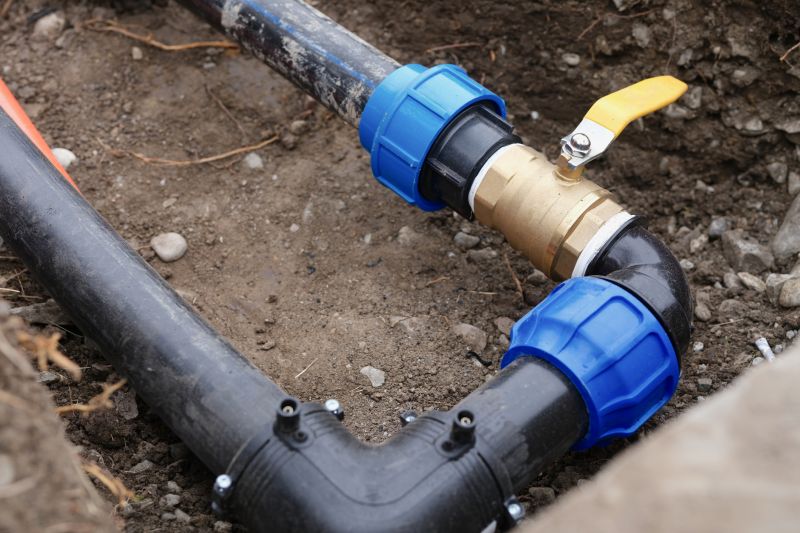
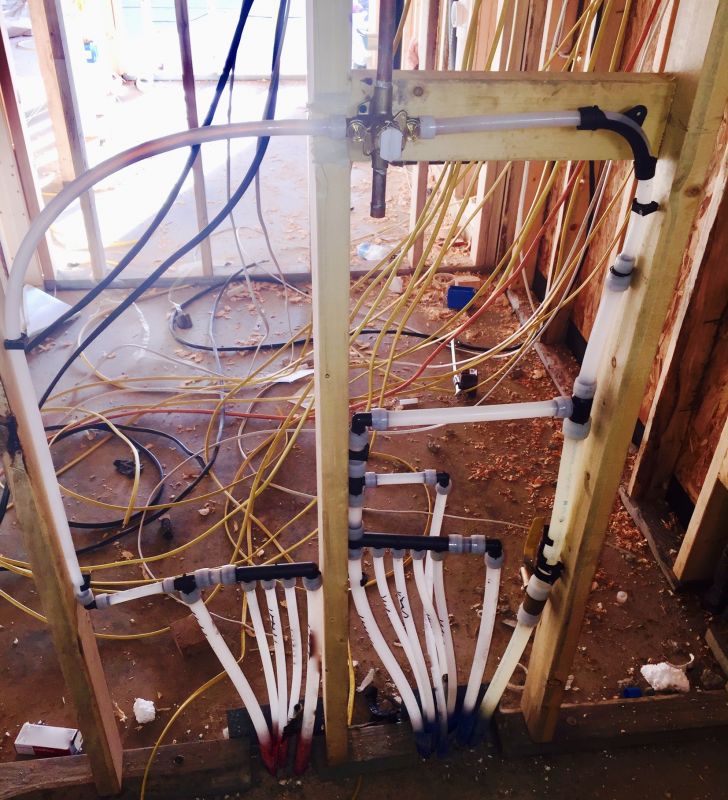
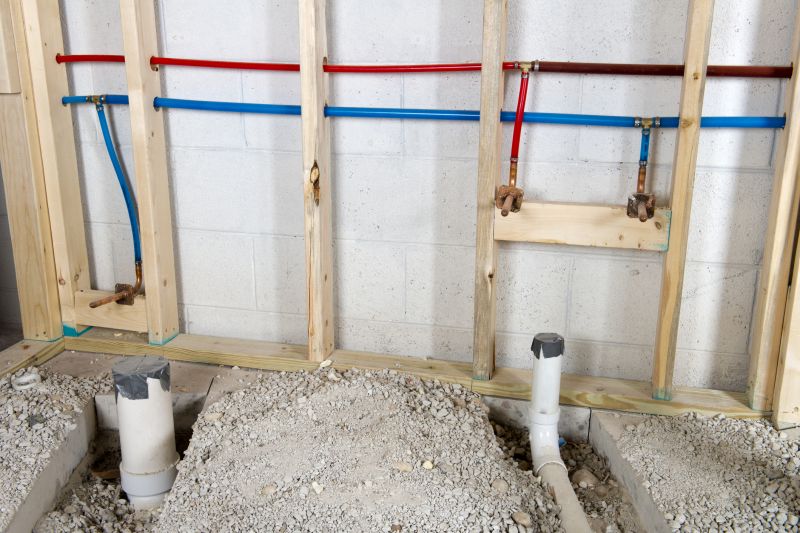
Rough plumbing installation services involve the initial setup of essential water supply and drainage systems within a property. This process typically includes installing main water lines, drain pipes, vent stacks, and other foundational piping components necessary for a functional plumbing network. These services are often required during new construction, major renovations, or when upgrading existing plumbing infrastructure to meet current standards and ensure reliable operation.
This type of installation helps address common plumbing problems such as leaks, low water pressure, and drainage issues that can arise from outdated or improperly installed pipes. Proper rough plumbing ensures that the water supply flows efficiently throughout the property, while waste and sewage are effectively removed. It also provides the groundwork for fixtures like sinks, toilets, and appliances to be connected correctly, reducing the risk of future plumbing failures and costly repairs.
Properties that typically require rough plumbing installation include new residential homes, commercial buildings, apartment complexes, and renovation projects involving significant structural changes. These services are essential when constructing a new property from the ground up or undertaking extensive remodeling that involves relocating or adding plumbing fixtures. Homeowners planning major upgrades or conversions may also need rough plumbing work to accommodate new layouts or modern fixtures.
When experiencing issues such as persistent leaks, low water pressure, or planning a new build or renovation, contacting local contractors for rough plumbing installation can help ensure the plumbing system is correctly set up from the start. Skilled service providers can assess the property’s needs, design an efficient layout, and handle the installation process to support a reliable and functional plumbing system for years to come.
The overview below groups typical Rough Plumbing Installation projects into broad ranges so you can see how smaller, mid-sized, and larger jobs often compare in your area.
In many markets, a large share of routine jobs stays in the lower and middle ranges, while only a smaller percentage of projects moves into the highest bands when the work is more complex or site conditions are harder than average.
Smaller Repairs - typical costs range from $150-$500 for minor fixes such as leak repairs or fixture replacements. Many routine jobs fall within this middle range, with fewer projects reaching the lower or higher ends.
Fixture Installations - installing new sinks, toilets, or faucets generally costs between $250-$600. Local contractors often handle these projects efficiently within this range, though larger or more complex installations can cost more.
Full Plumbing Replacements - complete pipe or fixture replacements can cost from $2,000-$5,000+, depending on the scope and property size. Many projects stay in the middle of this range, with larger homes or extensive work pushing costs higher.
Major System Installations - comprehensive plumbing system upgrades or new construction work typically ranges from $5,000 to $15,000 or more. Such projects are less common and tend to fall into the upper tiers of this cost spectrum.
Actual totals will depend on details like access to the work area, the scope of the project, and the materials selected, so use these as general starting points rather than exact figures.
Bathroom and Kitchen Plumbing Remodels - These projects require precise pipe installation, fixture setup, and planning similar to rough plumbing tasks during new installations or renovations.
Water Heater Installation and Replacement - Installing or replacing water heaters involves understanding plumbing layouts and working with water supply lines, akin to rough plumbing work.
Drain Line Repair and Replacement - Repairing or replacing drain lines involves pipe fitting and planning skills comparable to those used in rough plumbing installations.
Underground Utility Line Installation - Installing underground water, sewer, or gas lines demands careful planning and excavation skills similar to rough plumbing setup.
Fixture Rough-In for Commercial Properties - Setting up plumbing rough-ins for commercial fixtures involves similar skills in pipe routing and planning as residential rough plumbing projects.
Sewer Line Inspection and Replacement - Diagnosing and replacing sewer lines requires pipe assessment and installation skills comparable to those used in rough plumbing work.
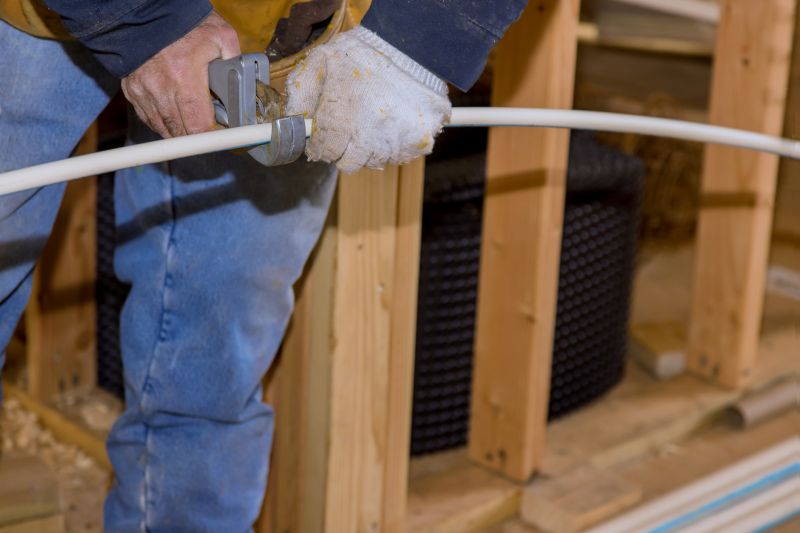
When comparing service providers for rough plumbing installation, it’s important to consider their experience with similar projects. Homeowners should look for local contractors who have a proven track record of handling projects comparable in scope and complexity. An experienced pro is more likely to understand the common challenges that can arise during installation and know how to address them efficiently, reducing the risk of unexpected issues later on.
Clear, written expectations are essential when evaluating potential contractors. Homeowners should seek providers who can offer detailed estimates or proposals that outline the scope of work, materials, and any other relevant details. Having this information in writing helps ensure everyone is on the same page, minimizes misunderstandings, and provides a reference point throughout the project.
Reputable references and good communication are also key factors in selecting a reliable service provider. Homeowners should ask for references from past clients who had similar work done and inquire about their experiences. Additionally, choosing local contractors known for responsive and transparent communication can make the process smoother. It’s important to work with service providers who listen, answer questions clearly, and keep homeowners informed throughout the project, fostering trust and confidence in the work being performed.
Property owners use Rough Plumbing Installation services for practical projects around their homes and businesses. This guide focuses on everyday jobs and straightforward project options.
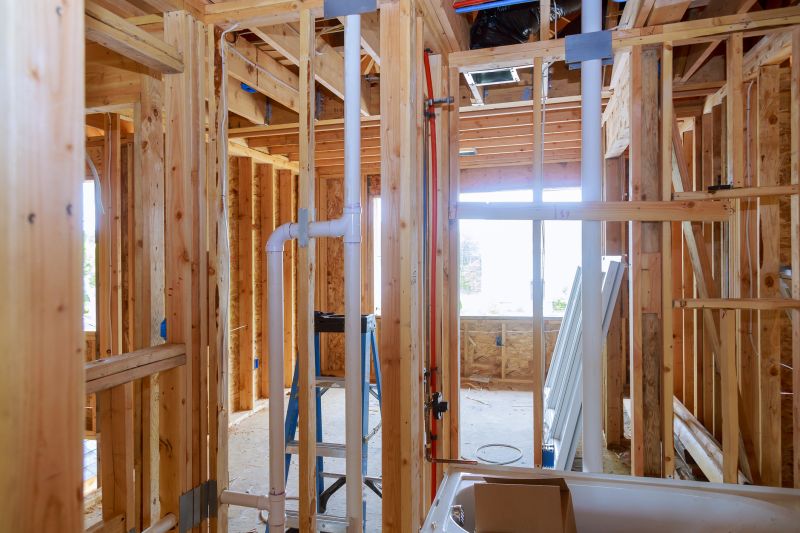
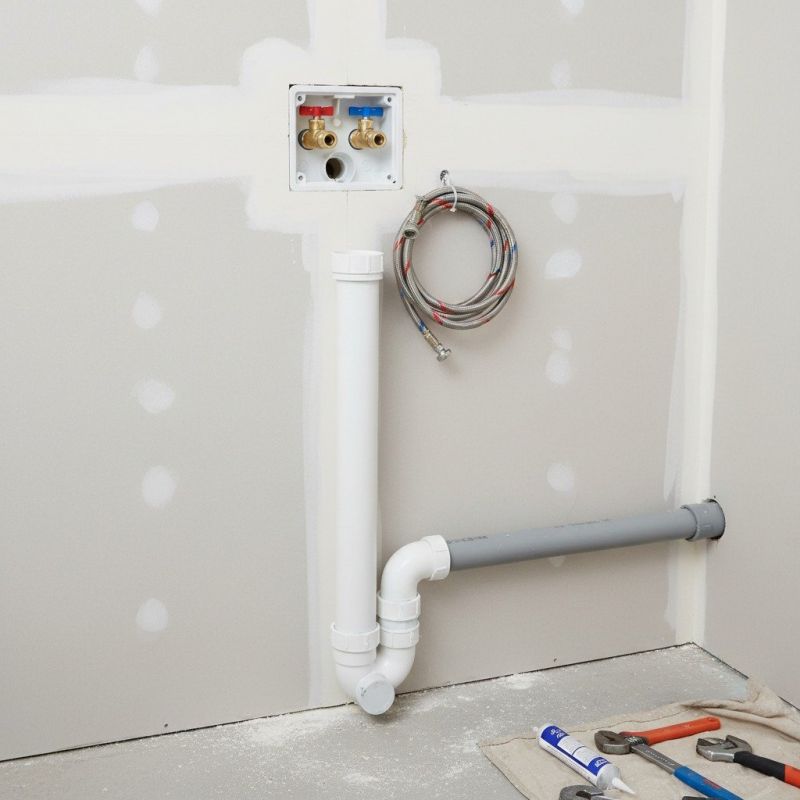
Rough plumbing installation services are often needed during major property renovations, new construction projects, or when upgrading outdated systems. Property owners may seek local contractors to install or replace essential pipes, fixtures, or drainage components to ensure proper functionality and avoid future issues. Whether updating a kitchen or bathroom or handling a complete overhaul, having experienced service providers handle the rough plumbing work can help set a solid foundation for the entire project.
Additionally, property owners might look for local contractors to address emergency repairs or to resolve persistent plumbing problems that require rerouting or extensive modifications. When plumbing systems are damaged or need to be reconfigured due to remodeling, hiring skilled professionals ensures the work is done correctly and efficiently. Connecting with reputable local service providers can make these essential tasks smoother and help maintain the integrity of the property’s plumbing infrastructure.
What is involved in rough plumbing installation? Rough plumbing installation includes setting up the main water supply lines, drain, and vent systems before walls are finished, ensuring all plumbing infrastructure is in place for fixtures and appliances.
Why should I hire local contractors for rough plumbing? Local contractors have knowledge of regional building codes and access to nearby suppliers, which can help ensure the installation meets standards and is completed efficiently.
What are common materials used in rough plumbing installation? Common materials include copper, PEX, and PVC pipes, which are used for water supply and drainage systems during the rough-in phase.
How do local service providers handle complex plumbing layouts? They assess the building’s design and create a detailed plan to install pipes accurately, accommodating unique layouts and ensuring proper connections.
What should I consider before starting rough plumbing installation? It’s important to review building plans, understand local codes, and ensure the placement of plumbing lines aligns with fixture locations and structural features.
Bathroom Renovations - When updating a bathroom, local contractors can install new plumbing fixtures and reroute pipes to accommodate modern layouts.
Kitchen Plumbing Upgrades - Upgrading kitchen sinks, dishwashers, or adding a new water line can improve functionality and convenience.
Leak Repairs - Addressing leaky faucets or pipes helps prevent water damage and maintains proper plumbing performance.
Fixture Installations - Installing new toilets, faucets, or water heaters ensures efficient operation and enhances everyday comfort.
If you are thinking about Rough Plumbing Installation for a property, this guide is meant to help you understand the work, the typical project types, and how different options might fit your plans.
When you are ready, you can use the quote form on this page to share a few details about your project. From there, local pros can review the basics and respond with options that match what you have in mind.