Get Grease Trap Installation
Local contractors offer grease trap installation services to prevent plumbing clogs and ensure proper waste management for restaurants, commercial kitchens, and food service facilities.
If property owners are considering grease trap installation, they’ve come to the right place to explore options. Properly installed grease traps are essential for maintaining efficient and compliant wastewater management, especially for restaurants, commercial kitchens, and food service facilities. Understanding the practical benefits of this work can help in planning a project that meets local regulations and supports smooth operations. Comparing local service providers ensures that property owners find experienced contractors who can handle the specifics of grease trap installation with expertise and reliability.
Continuing to review available options allows property owners to identify trusted local contractors equipped to manage grease trap projects effectively. Whether upgrading existing systems or installing new ones, choosing the right professionals can make the process straightforward and aligned with project goals. Staying informed about available services helps in making well-informed decisions and connecting with experienced providers capable of delivering quality results.
- Commercial Kitchens - businesses that require grease trap installation to comply with health and safety regulations.
- Food Service Establishments - restaurants and cafes needing proper grease management systems to prevent plumbing issues.
- Industrial Facilities - factories and manufacturing plants that generate significant grease waste requiring professional installation.
- Hospitality Venues - hotels and catering services seeking efficient grease trap solutions for their food preparation areas.
- Food Processing Plants - facilities that handle large quantities of food and need reliable grease trap systems installed by local contractors.
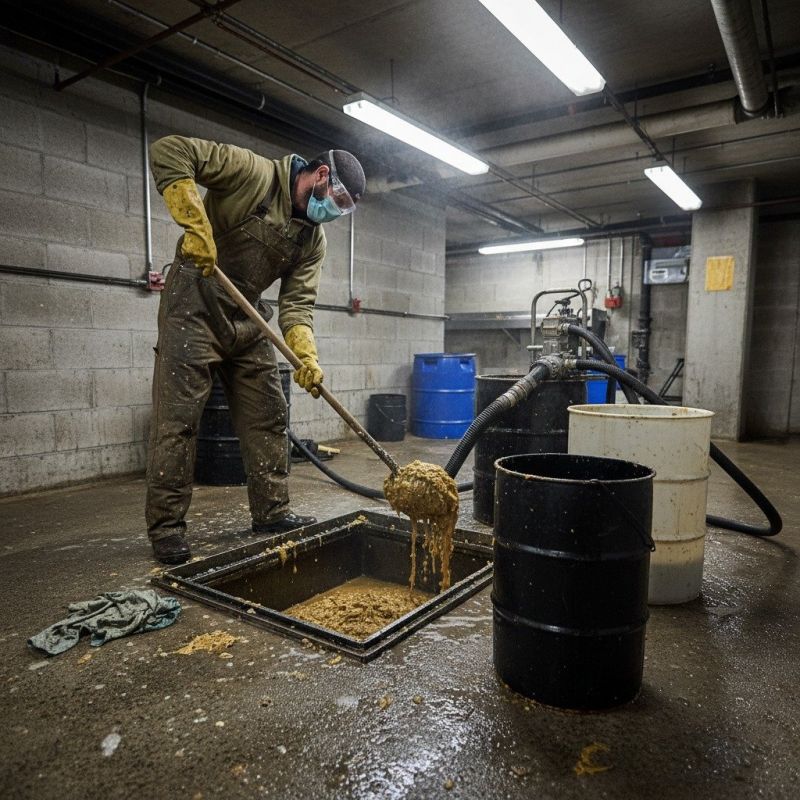
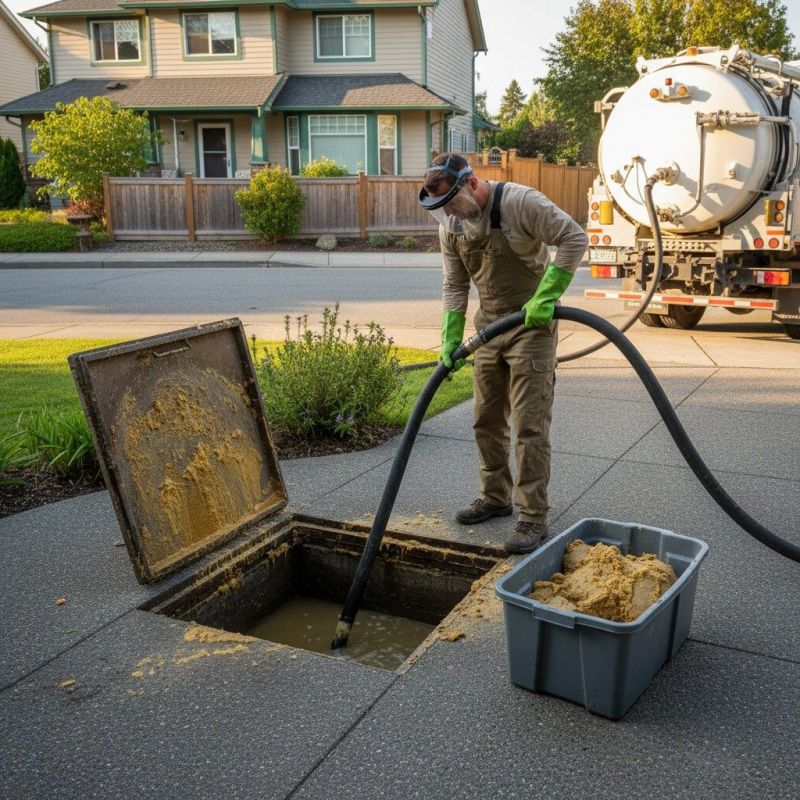
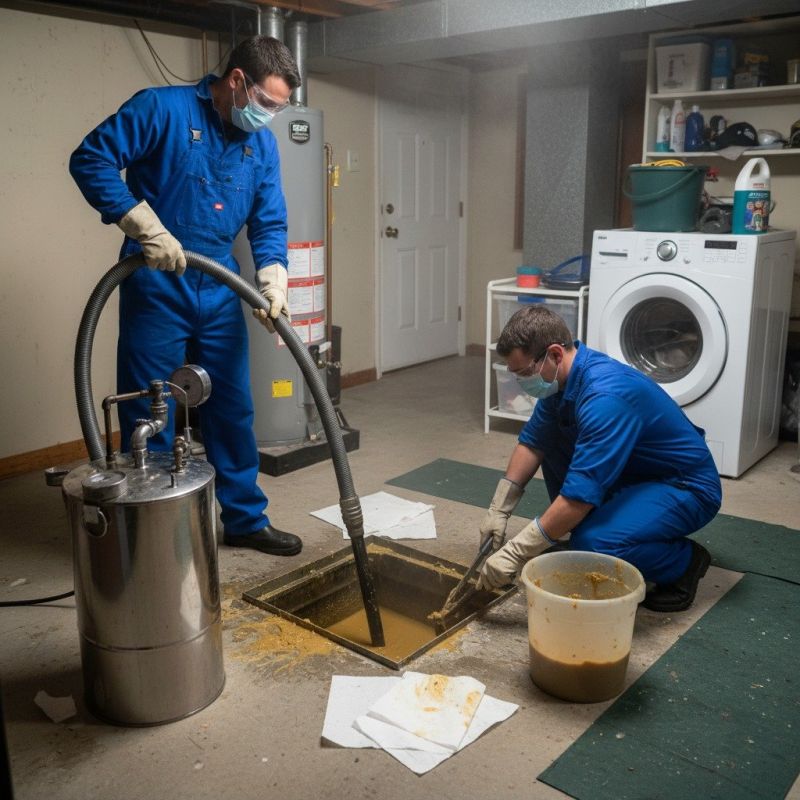
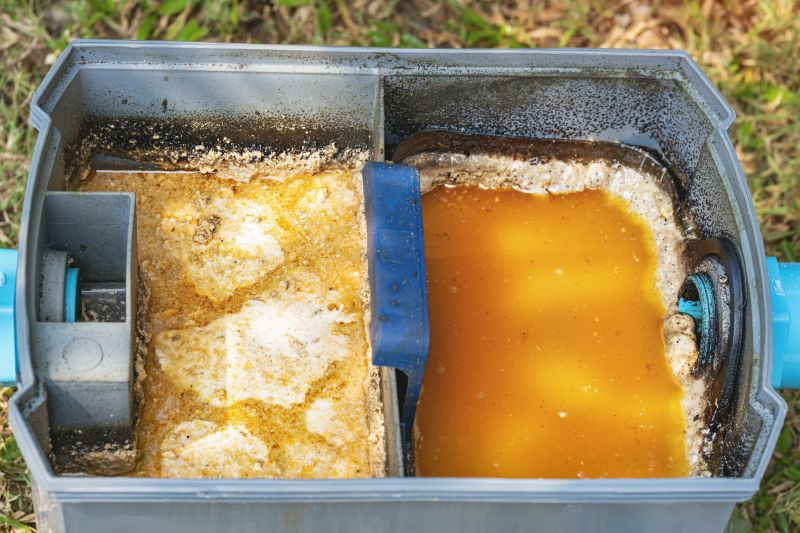
Grease trap installation involves setting up a specialized device designed to intercept fats, oils, and grease (FOG) from wastewater before it enters the plumbing system. These systems are typically installed underground near commercial kitchens, food processing facilities, or other properties with high-volume food preparation. The installation process includes placing the trap in the appropriate location, connecting it to existing plumbing, and ensuring it functions correctly to prevent grease buildup in the drainage system. Proper installation by experienced service providers helps ensure the trap operates efficiently and reduces the risk of plumbing clogs or backups caused by grease accumulation.
Grease traps serve a vital role in solving common plumbing problems associated with grease buildup. Without a trap, fats and oils from kitchen wastewater can solidify within pipes, leading to blockages, slow drains, or even sewage backups. Over time, these issues can cause costly repairs and disrupt business operations or household activities. Installing a grease trap helps manage grease waste effectively, preventing these problems from occurring and maintaining a smoother flow within the plumbing system. Regular maintenance and proper installation are essential to keep the trap functioning as intended and to avoid potential plumbing emergencies.
Properties that typically use grease trap installation services include restaurants, cafes, catering businesses, and other commercial kitchens. Additionally, food processing plants, grocery stores with in-house food preparation, and some multi-unit residential buildings with shared kitchen facilities may also require these systems. Even some larger households with extensive cooking or home-based food businesses might benefit from having a grease trap installed. Service providers can assess the specific needs of each property to recommend the right size and type of grease trap, ensuring it effectively manages grease waste and complies with local plumbing codes.
Homeowners who notice persistent drain clogs, foul odors from sinks, or slow-draining kitchen pipes may need to consider grease trap installation or maintenance services. While often associated with commercial properties, some residential properties with high-volume cooking or home-based food businesses also benefit from these systems. If a property experiences frequent plumbing issues related to grease buildup, consulting with local contractors can help determine whether installing a grease trap is a suitable solution. Connecting with experienced service providers ensures proper installation tailored to the property's specific needs, helping to maintain a functional and trouble-free plumbing system.
The overview below groups typical Grease Trap Installation projects into broad ranges so you can see how smaller, mid-sized, and larger jobs often compare in your area.
In many markets, a large share of routine jobs stays in the lower and middle ranges, while only a smaller percentage of projects moves into the highest bands when the work is more complex or site conditions are harder than average.
Smaller Repairs - Typical costs for minor grease trap repairs or maintenance range from $250-$600. Many routine jobs fall within this middle range, though prices can vary based on the specific work needed. Fewer projects will push into the higher end of this spectrum.
Standard Installation - Installing a new grease trap for a standard commercial setup usually costs between $1,000 and $3,000. Local contractors often handle these projects within this range, with larger or more complex installations reaching higher prices.
Full Replacement - Replacing an existing grease trap can range from $2,500 to $6,000, depending on size and site conditions. Larger or more intricate replacements tend to fall into the higher end of this spectrum, though many projects stay in the middle ranges.
Large or Complex Projects - Extensive grease trap systems or custom installations can cost $5,000 or more. Such projects are less common and typically involve additional site work or specialized equipment, leading to higher overall costs.
Actual totals will depend on details like access to the work area, the scope of the project, and the materials selected, so use these as general starting points rather than exact figures.
Septic System Installation - professionals in this field have experience with underground tank placement, piping, and planning similar to grease trap setups.
Stormwater Management Systems - these projects involve drainage planning and installation skills that align with the requirements of grease trap systems.
Commercial Plumbing Services - local contractors skilled in large-scale piping and fixture installation often handle grease trap setup as part of broader plumbing projects.
Wastewater Treatment Equipment Installation - installing treatment units requires expertise in handling specialized equipment and understanding flow management, akin to grease trap installation.
Drainage System Design and Installation - designing and installing effective drainage solutions involves planning and knowledge relevant to grease trap placement and connections.
Industrial Waste Management Systems - projects involving the management of industrial waste streams require similar planning, piping, and installation skills used in grease trap services.
When evaluating potential service providers for grease trap installation, it’s important to consider their experience with similar projects. Homeowners should inquire about how many installations the contractor has completed and whether they have worked with properties comparable in size and type. An experienced local contractor is more likely to understand the specific requirements and challenges associated with grease trap installation, helping to ensure the job is done efficiently and correctly the first time.
Clear written expectations are also essential when comparing local contractors. Homeowners should seek detailed descriptions of the scope of work, including what is included and any potential additional costs. Having a transparent outline helps prevent misunderstandings and provides a basis for assessing each provider’s professionalism. It’s beneficial to ask for a written estimate or proposal that specifies the materials, process, and timeline, so expectations are aligned from the outset.
Reputable references and effective communication are key indicators of a reliable service provider. Homeowners can ask for references from previous clients who had similar work done and follow up with those references to learn about their experience. Good communication throughout the process-prompt responses, clarity in explanations, and willingness to answer questions-can also reflect a contractor’s professionalism and commitment to customer service. Remember, this site helps connect homeowners with local options, but the actual work is performed by independent service providers best suited to handle the project.
Property owners use Grease Trap Installation services for practical projects around their homes and businesses. This guide focuses on everyday jobs and straightforward project options.
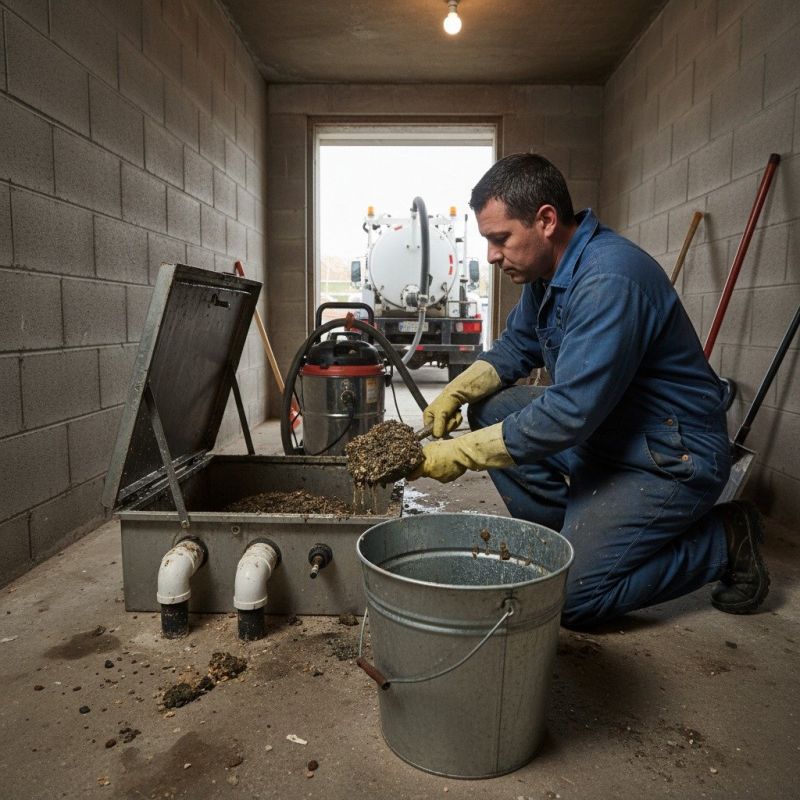
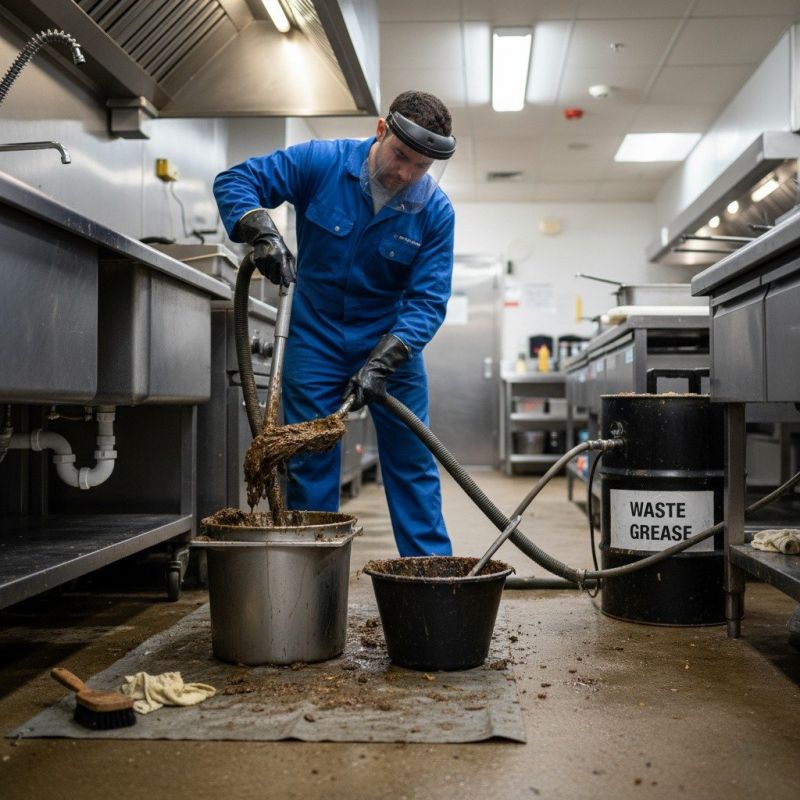
Grease trap installation is a common project for property owners who operate restaurants, cafes, or other food service establishments. These facilities often require properly installed grease traps to prevent fats, oils, and grease from clogging plumbing systems and causing backups. Additionally, commercial kitchens and food-processing businesses in the area may seek out local contractors to ensure their drainage systems comply with health and safety standards, helping to maintain smooth daily operations.
Homeowners and small business owners might also look for grease trap services when renovating or upgrading their property’s plumbing infrastructure. Proper installation can help avoid future plumbing issues and reduce the risk of unpleasant odors or costly repairs. Local service providers can handle these projects efficiently, offering solutions tailored to the specific needs of each property, whether for new installations or upgrades to existing systems.
What is involved in grease trap installation? Grease trap installation typically includes assessing the site, selecting an appropriate trap size, and properly installing it according to plumbing standards. Local contractors handle these steps to ensure proper setup and function.
Why is professional installation important for grease traps? Professional installation helps ensure the grease trap operates effectively, complies with local codes, and prevents potential plumbing issues caused by improper setup.
Can existing plumbing systems be adapted for a new grease trap? Yes, local service providers can evaluate existing plumbing and make necessary adjustments or connections to integrate a new grease trap properly.
What types of grease traps are available for installation? There are various types of grease traps, including in-ground, under-sink, and flow-through models, which local contractors can help determine and install based on specific needs.
How do local pros ensure the grease trap is installed correctly? They follow standard installation practices, ensure proper placement, and connect the trap securely to existing plumbing to ensure optimal performance and compliance.
Grease Trap Installation for Commercial Kitchens - Property owners operating restaurants or food service businesses can ensure proper waste management by working with local contractors to install grease traps that meet industry standards.
Residential Grease Trap Solutions - Homeowners with large appliances or frequent cooking activities can improve plumbing performance and prevent clogs by having local service providers install appropriate grease traps.
Upgrade Existing Grease Traps - Property managers seeking to enhance sanitation or comply with regulations can contact local contractors to upgrade or replace outdated grease trapping systems.
Custom Grease Trap Designs - Businesses with unique kitchen layouts or waste requirements can explore custom installation options through local pros to optimize their grease management setup.
If you are thinking about Grease Trap Installation for a property, this guide is meant to help you understand the work, the typical project types, and how different options might fit your plans.
When you are ready, you can use the quote form on this page to share a few details about your project. From there, local pros can review the basics and respond with options that match what you have in mind.